Results
Video Testimonials
Video is the hardest kind of testimonial to fake and the easiest to ruin by over producing. Here is how we make them and what we require before one goes public.
Call (714) 823-3164 or ask a question. Clear recommendations, even if we never work together.
A video testimonial is worth more than a written quote. You can see who the person is, and the claim is harder to fake. Online Website Marketing has no client video testimonials published yet. This page explains how we record them, what consent we need, and how to spot a staged one.
Any testimonial example shown in this section is labelled illustrative when it is a teaching example rather than a record of real work. Verified client video testimonials are published here with names and dates as clients approve them.
Why Video Carries More Weight
A written testimonial can be typed by anyone in about a minute. A video testimonial requires a real person to sit down, say their name, name their business, and make a claim on camera that their competitors and customers can watch. That is a much higher bar, and viewers know it, which is why a rough phone recording of an owner talking plainly often outperforms a polished production. The credibility comes from specifics and from imperfection. When someone pauses to think, corrects themselves, or admits the first two months felt slow, the whole thing reads as real. When every sentence lands cleanly and the phrasing sounds like marketing copy, viewers assume it was scripted, and that assumption spreads backwards over everything else on the page. There is a real production floor. Bad audio makes anything unwatchable and is the single most common failure. But past clear audio, decent light, and a stable frame, additional polish tends to reduce trust rather than build it. The goal is a real person explaining what changed, not a commercial.
What a Real Video Testimonial Includes
The difference between a testimonial that persuades and one that gets skipped is almost entirely in the level of detail. Vague praise like they were great to work with tells a viewer nothing they can use. What works is a person describing their actual situation before, what they were worried about, what happened, and how long it took. Specific numbers help when the client is comfortable sharing them, and the honesty of a slow stretch helps even more. Viewers are not persuaded by enthusiasm. They are persuaded by recognizing their own situation inside someone else's description of theirs. An owner who says the first two months were quiet and then the calls started arriving gives a prospect something to measure their own patience against. A person saying the results were amazing gives them nothing to hold. Every video we publish will carry the same supporting information the written case studies do, on the page around it, so the claim is checkable rather than just watchable. The list below is what we require before one goes on this site.
- Full name, business name, and city, spoken on camera
- The specific problem before, described in their own words
- What they had already tried and why it did not hold
- What changed, and roughly how long it took to show up
- At least one honest note about a slow stretch or a rough patch
- The recording date shown on the page beside the video
- Written release on file covering publication and reuse
How We Record Them
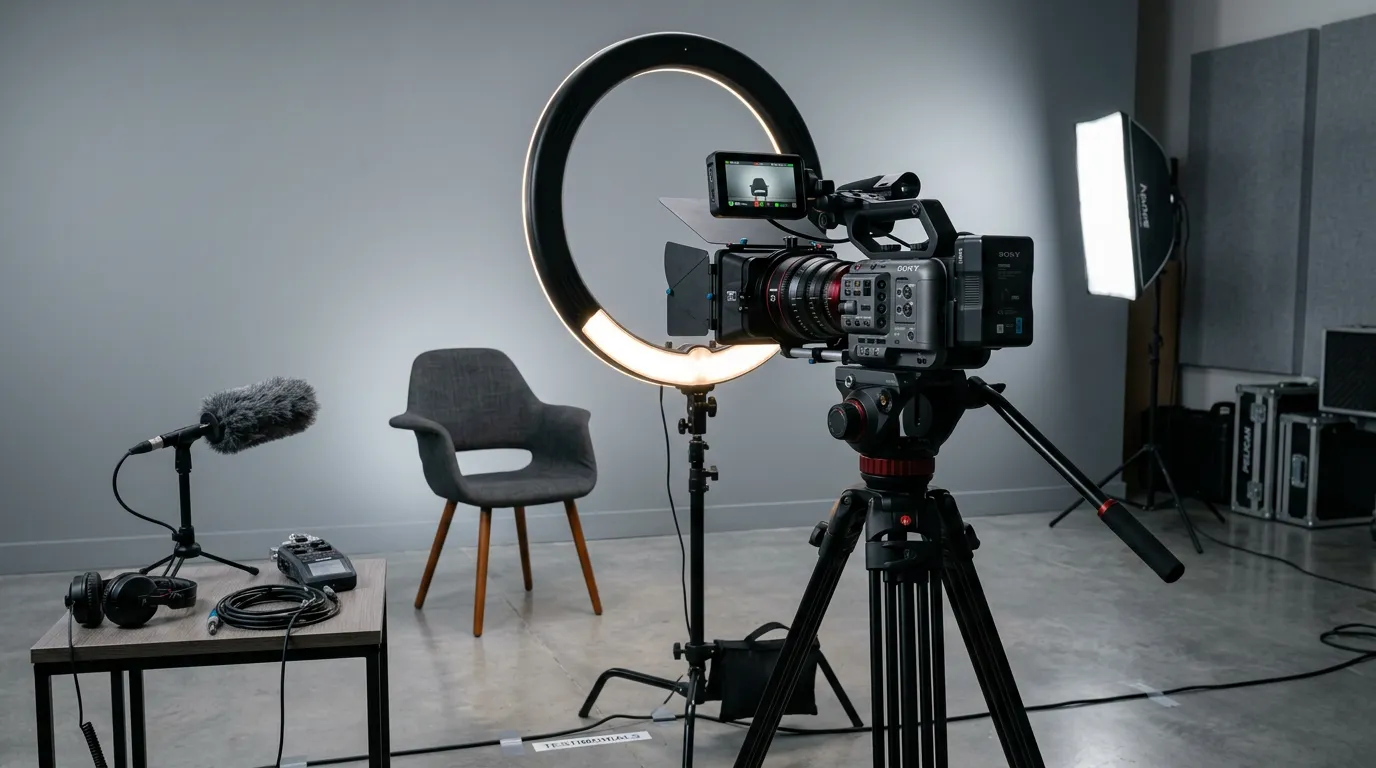
The video testimonials process is built to get honest answers, not smooth ones. We start with a conversation about whether they want to do it at all, with a clear statement that saying no changes nothing about the relationship. If they agree, we send the questions ahead of time so they can think, but we never send a script or suggested wording. Recording happens at their business when we can, usually in about thirty minutes, because their own shop or office looks like their life and a rented studio does not. We shoot on simple equipment with a lapel microphone, since audio is what decides whether a video is watchable. We ask open questions and let them talk. If they say something unflattering about the early months, that stays in. Editing is limited to trimming length, cutting long pauses, and adding a name caption. We do not restage answers, we do not have anyone read a line back, and we do not add music that turns a conversation into an advertisement. Then they watch the cut and approve it before anything is published.
Consent and Control
A person on camera is exposed in a way a written quote never is, so the consent rules are stricter. Nobody is recorded without knowing exactly where the video will appear, which covers this site, social channels, ads, and proposals. That list is written into the release rather than left open ended, because a client who agreed to a page on our website did not agree to being the face of a paid ad campaign. They see the final edit before publication and can request changes or withdraw entirely at that point, even after we have done all the video testimonials work. If they later want the video removed, we remove it and stop using it in any channel, without asking for a reason. We do not offer payment or discounts for participation, since paying for an endorsement changes what people say and creates a disclosure obligation nobody wants to manage. We also do not ask early in an engagement. Asking someone to praise results before there are results is how staged testimonials get made.
How to Spot a Staged Testimonial
Paid actor testimonials are cheap and common, and once you know the signs they are easy to catch. Look for people who never name their business, or who name a company you cannot find anywhere online. Search the business name and the person together. A real owner leaves a trail: a website, a Google profile, a licensing record, a social account. Listen to the language. Actors use clean marketing phrasing and never stumble, and they rarely mention anything specific like a month, a number, or a problem. Watch for a set that does not match the claimed trade, since a plumber talking in a bright coworking space with a plant behind them is a familiar stock setup. Check whether several testimonials on the same site share identical framing and lighting, which suggests they were shot in one session with different actors. And check the page for a date. A video with no date and no business name is decoration, not evidence, no matter how convincing the person seems.
What We Have Published So Far
Nothing. We have no client video testimonials published on this site, and there is no filler version of this page with stock footage or actors standing in. Written the plain way, that reads as a weakness, and in one sense it is. What it also does is set a standard you can hold us to. When videos appear here, they will have a real named owner, a real business you can look up, a visible recording date, and a release on file. If we ever publish something that does not meet that bar, this page is on record and you can call us on it. In the meantime, the more useful thing is a conversation. Ask us how we would handle your specific situation, ask what we would fix first and why, and request the free visibility audit so you can judge our reasoning against a business you know better than we do. That is a stronger basis for a decision than watching a stranger say nice things.