Healthcare and Wellness
Digital Marketing for Medical Clinics
Insurance accepted and wait time are the top two decision factors
Call (714) 823-3164 or ask a question. Clear recommendations, even if we never work together.
Clinic marketing works when the answers patients need are easy to find. They want to know which insurance you take, how soon they can be seen, and who the provider is. Local search visibility, full provider profiles, and reviews that mention short wait times fill schedules fast. That beats any broad awareness campaign.
Jump to a section
- What usually goes wrong
- Which channels matter
- Seasonality
- What we measure
- Common concerns
- Where we start
- A clinic marketing year, month by month
- What a new patient is worth, by clinic type
- The sixty day cleanup before you spend on ads
- Provider pages that hold up
- Two questions clinics ask about Google
- Questions
What usually goes wrong
- The first question on every call is whether you take their insurance
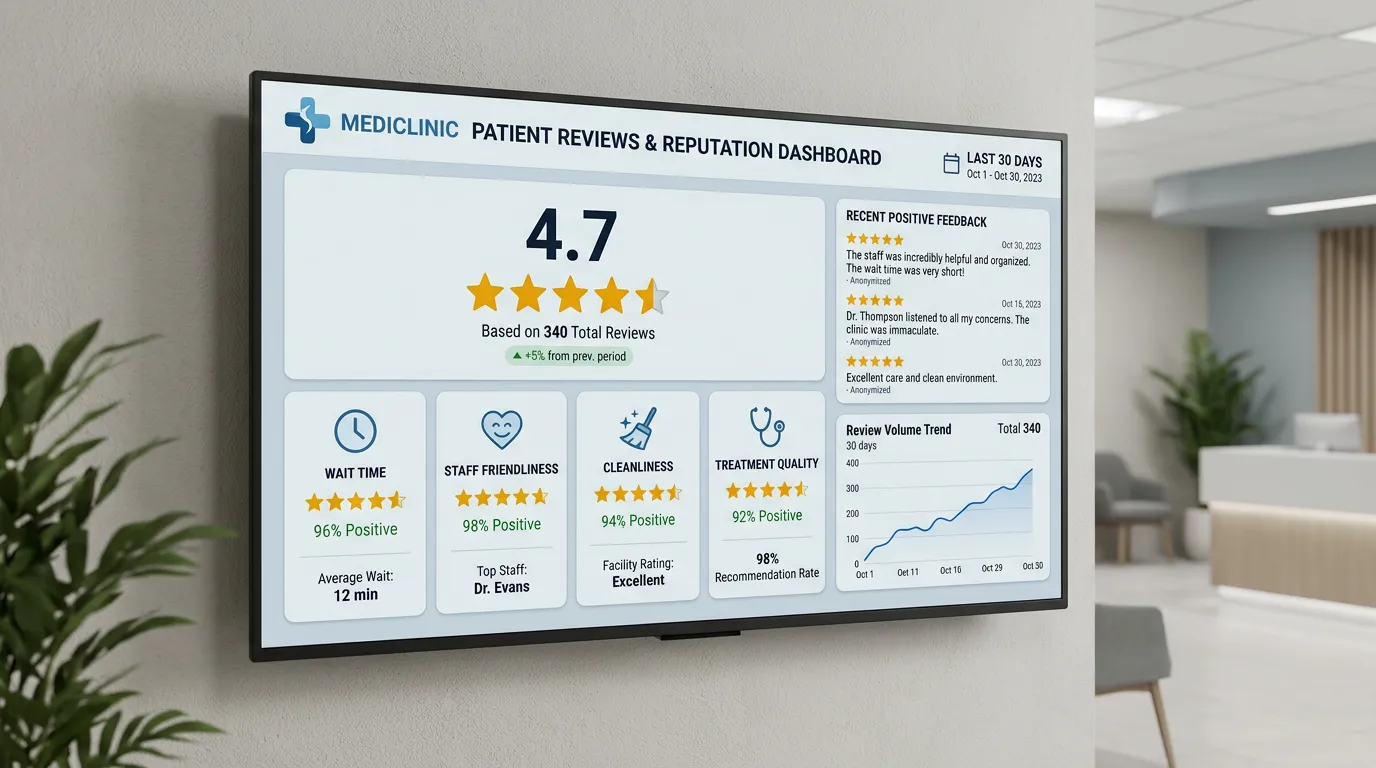
- Reviews about wait times and phone hold times drown out clinical quality
- Provider turnover leaves outdated bios and stale listings all over the internet
- Hospital systems and urgent care chains dominate the search results in your city
- Directory profiles you do not control rank above your own website
- No shows leave gaps that cannot be filled on short notice
- New providers finish credentialing with an empty panel and no visibility
What usually makes an owner start looking
- You add a provider whose panel needs to be filled
- You open a second location or move to a larger space
- You add a service line such as occupational health, weight management, or aesthetics
- An urgent care chain or hospital owned clinic opens nearby
- An insurance contract changes and your patient mix shifts
- You take over a retiring physician's practice and inherit their patients and their listings
Which channels actually matter
Not every channel deserves the same weight for medical clinics. This is how we would prioritise.
| Channel | Weight | Why |
|---|---|---|
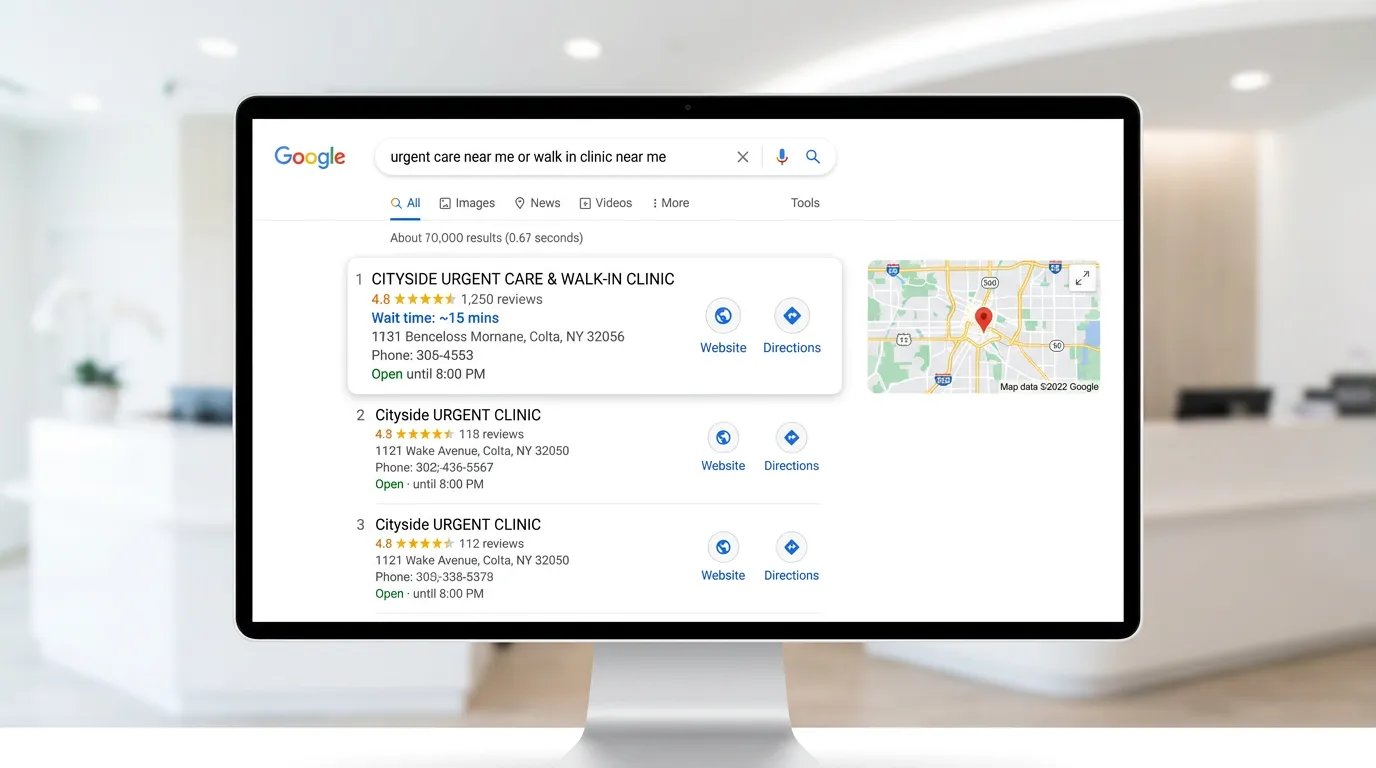
| Local SEO | Primary | Patients search for a clinic near them and rarely look past the map results. Location pages, provider pages, and accurate profiles decide who gets seen first. |
| Reputation Management | Primary | Health decisions carry real risk, so patients read reviews closely. Volume and recent responses matter, and unanswered complaints about wait times cost appointments. |
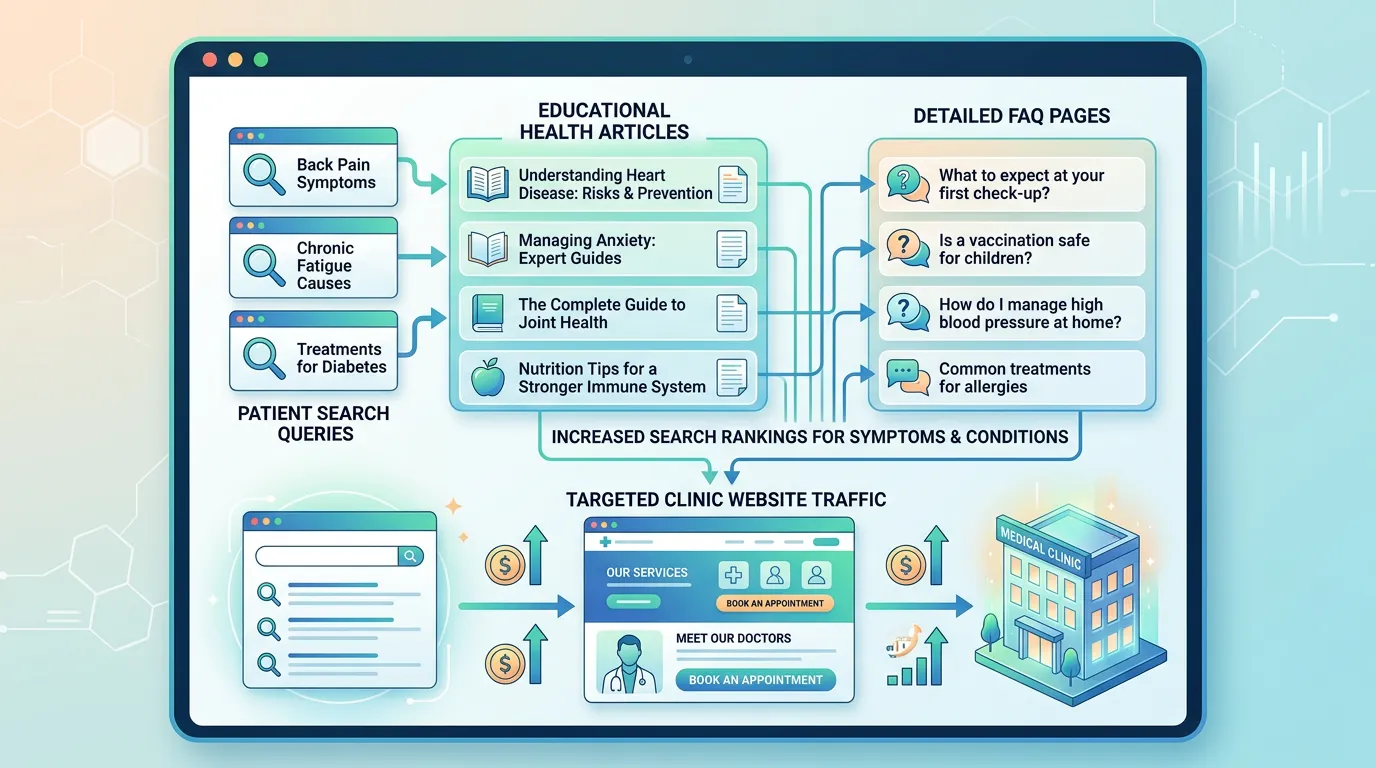
| Content Marketing | Secondary | Condition and service pages written by or reviewed by a clinician capture patients researching symptoms and support the trust signals search engines look for in health content. |
| Pay Per Click Advertising | Secondary | Best aimed at specific service lines and at urgent care style same day need, where the search is immediate and the schedule can absorb it. |
| Lead Generation Systems | Supporting | Online appointment requests, call tracking, and automated follow up on unanswered inquiries recover patients who would otherwise call the next clinic on the list. |
Seasonality
Respiratory illness season runs from October through February. It drives sick visits and urgent care volume. Sports and school physicals cluster in July and August. January is slow for elective and preventive care because deductibles reset. Annual wellness visits then build through the first and second quarters. Late fall brings a rush of patients using benefits before the plan year closes.
What we measure
New patient appointments booked per month
Appointment requests submitted online and the rate they are confirmed
Provider schedule fill rate
No show and same day cancellation rate
Average rating and review volume by location
Concerns we hear
We cannot advertise medical services without compliance problems.
You can market a practice. The rules govern patient information, not whether you describe your services. We keep patient details out of everything public, avoid outcome claims, and keep review responses general so nothing confirms who was treated.
Our patients come from physician referrals, not the internet.
Referred patients still look you up before the visit. If the provider bio is thin, the address is wrong on two directories, and the rating is a 3.2, some of those referrals quietly go elsewhere. Search work protects the referral flow you already have.
Directory sites always outrank us anyway.
They often do for broad terms, which is why we claim and fix those profiles instead of ignoring them, and aim your own site at what those directories handle poorly: specific services, individual providers, insurance details, and location pages.
Our providers do not have time to write content.
They do not need to write it. We draft from an interview of twenty minutes or less, then send it back for a clinical accuracy check and a byline. That review step is what makes the content credible, and it is the only time the provider has to spend.
Where we would start
The services that move the needle fastest for medical clinics.
Reputation Management
Generate reviews on purpose and protect the rating you have.
Reputation ManagementGoogle Business Profile Optimization
Turn your profile into the strongest lead source you own.
Google Business Profile OptimizationWeb Design and Development
Fast, accessible websites built to turn visits into calls.
Web Design and DevelopmentPay Per Click Advertising
Paid traffic that produces calls instead of clicks.
Pay Per Click AdvertisingLead Generation Systems
Capture, track, and follow up on every inquiry automatically.
Lead Generation Systems
Where we serve this industry
A clinic marketing year, month by month
October is when the year is won or lost for a clinic with sick visit capacity. Respiratory season starts, searches for same day appointments climb, and your hours page gets read more than any other page you own. Fix holiday hours, walk in rules, and after hours instructions before the season starts, not during it.
January is the opposite problem. Deductibles reset and preventive visits slow down. That is the month to email your patient list about annual wellness visits, which many plans cover as preventive care. It is also one of the cheaper months to run ads, because fewer clinics are bidding.
Summer is physicals. Sports and school physical searches cluster in July and August, and they are the easiest new patients a family practice gets all year. One physical often brings a whole household over from another clinic. Book that campaign in late June. By the second week of August, most of those families have already gone somewhere.
What a new patient is worth, by clinic type
Cost per lead means nothing on its own. What matters is what happens after the first visit. These are typical patterns, not promises.
| Clinic type | What the first visit leads to | Where the money should go first |
|---|---|---|
| Primary care | A patient seen for years, plus their family | Local search, provider pages, insurance page |
| Urgent care | One visit, sometimes a second the same season | Paid search on same day terms and wait time |
| Specialty clinic | A referral source plus a course of treatment | Condition content and pages built for physicians |
| Occupational health | An employer contract worth many visits a year | Direct outreach and a clear employer services page |
| Cash pay services | Repeat visits with no insurance friction | Paid ads with real prices on the page |
A primary care clinic can afford to pay more for a patient than an urgent care can, because the patient stays. Judge spend against that, not against one visit.
The sixty day cleanup before you spend on ads
Ads pointed at a clinic with wrong hours and a stale directory profile waste money. Fix these first. Most of it is boring and none of it costs media budget.
Claim every directory profile you do not control
Healthgrades, Vitals, WebMD, Yelp, and plan directories rank for provider names.
Make the hours right, including holidays
A closed clinic listed as open earns one star reviews fast.
Build one page listing the plans you accept
Add the date it was last checked so staff know when to update it.
Give every provider their own page
Name, credentials, photo, conditions treated, languages spoken.
Put call tracking on the main phone number
You cannot fix a missed call problem you cannot see.
Time how long a call sits on hold at noon
Lunch is when most patients call and most desks are short.
Fill out your own appointment form on a phone
See how long the reply actually takes.
Search your clinic name and read what comes up
Old addresses and retired providers linger for years.
Provider pages that hold up
A patient referred to a specific doctor looks that doctor up before the visit. Most clinic provider pages give them three sentences and a headshot.
Do this
- Name the medical school, the residency, and the board certification
- List the conditions the provider treats most, in patient language
- Say which languages the provider and the front desk staff speak
- Put a booking link on the page so nobody has to hunt for it
- Update or remove the page the same week a provider leaves
Not this
- Do not publish one shared staff list page and call it done
- Do not use a stock photo in place of a real one
- Do not promise outcomes or use words like best and top rated
- Do not keep a departed provider's page live to hold the traffic
- Do not load a huge photo that stalls the page on a phone
Two questions clinics ask about Google
Can each doctor have their own Google Business Profile?
Which Google category should a clinic choose?