Industries and people we service
Marketing for Small Business Owners and Operators
Owner operated companies that need predictable lead flow.
Call (714) 823-3164 or ask a question. Clear recommendations, even if we never work together.
This is marketing for owner operated service companies where the owner still runs jobs, answers the phone, and signs every check. It differs because there is no marketing staff and no budget for guessing. Nobody has patience for reports that go unread. The small work has to fit around a full day of real work.
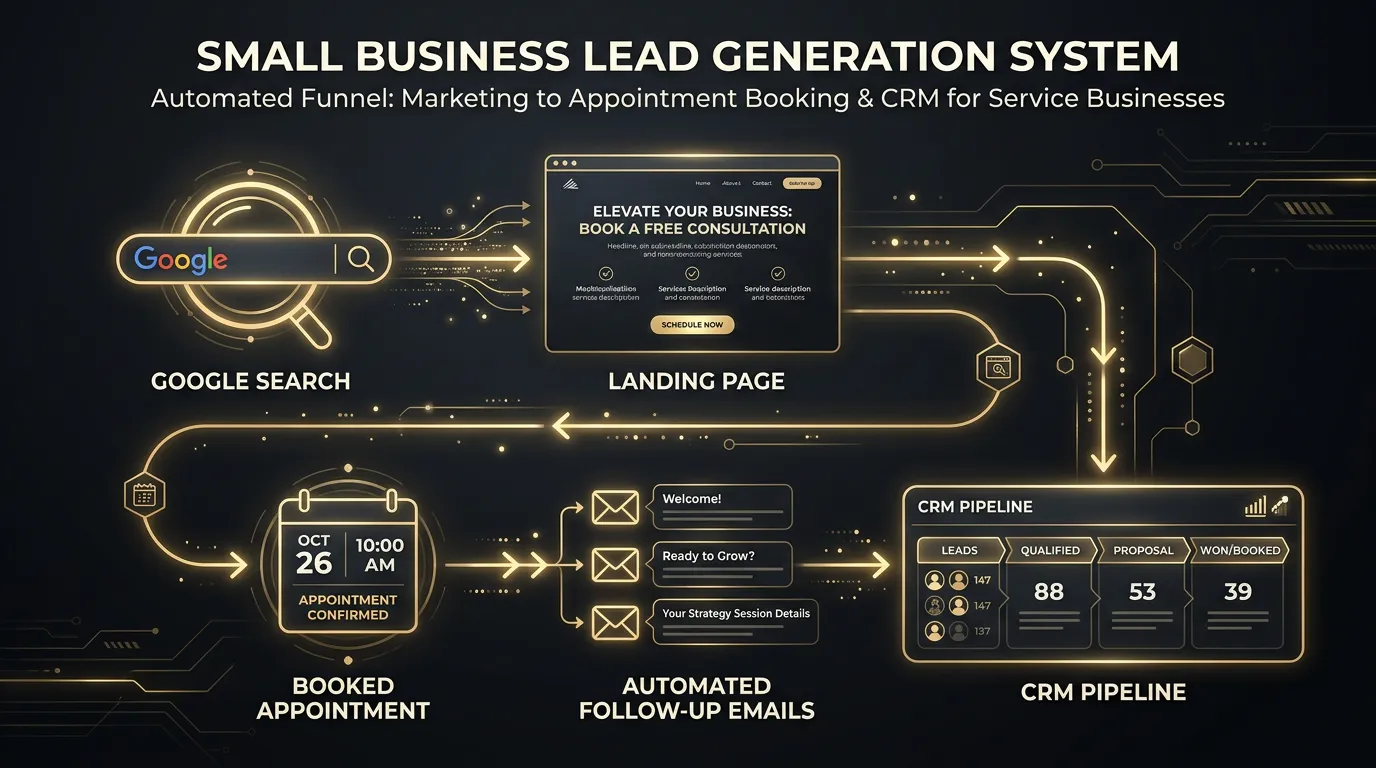
Owner operated companies struggle with marketing for reasons that have little to do with strategy. The owner is on a job at two in the afternoon when a call comes in. The website was built by a cousin in 2016. The Google profile has the wrong hours and three photos from the day it was created. Nobody has spare time, and every dollar spent is a dollar the owner personally earned. So the order of operations matters more than the tactics. Fix the Google Business Profile first. It is free, it is the most visited thing you own, and it is almost always neglected. Then make sure calls get answered or captured. Ranking better while you miss calls only wastes more chances. Then take one channel at a time, done properly, before you add a second. Budget realism is part of the job. A company with fifteen hundred dollars a month cannot fund SEO, ads, video, and social at once. Doing one of them well beats doing four of them badly, every single time. Time is the other constraint. We ask owners for job site photos and two minute voice notes, not writing assignments. Nobody working ten hour days is going to draft blog posts. Expecting it is how projects quietly die. Reporting has to be readable in five minutes: calls, form fills, booked jobs, and what changed since last month. Impressions and keyword counts are not results. When an owner cannot tell whether the money is working, the money stops. That usually happens right before it would have started paying off.
Where most engagements start
Google Business Profile Optimization
Turn your profile into the strongest lead source you own.
Google Business Profile OptimizationReputation Management
Generate reviews on purpose and protect the rating you have.
Reputation ManagementPay Per Click Advertising
Paid traffic that produces calls instead of clicks.
Pay Per Click AdvertisingWeb Design and Development
Fast, accessible websites built to turn visits into calls.
Web Design and Development

Four stages, and the plan changes at each one
Owner operated is a wide band. A solo painter and a company with six employees and an office manager both call themselves small, and they need very different things.
Solo and on the tools every day. You cannot answer the phone and work at the same time. The first fix is call handling, not rankings. An answering service costs less than a month of ads and saves more work.
Owner plus one or two helpers. You can grow now, but every job stretches you. This is where a clean Google profile and a small ad budget aimed at your best service pay off fastest.
Owner with a crew, or stepping off the tools. You have capacity and someone in the office, so content, city pages, and a real website start earning their cost here. The fourth stage is the one nobody plans for: hiring is now the limit, and the same site has to attract workers as well as customers.
What to fix first, and what it costs
This is the order we work in with owner operated companies. Skipping ahead is the most common way a small budget gets wasted.
| Step | Rough cost | Time until it helps | Skip it if |
|---|---|---|---|
| Google Business Profile cleanup | Free, a few hours | Two to six weeks | Never. This is always first. |
| Call answering or an answering service | Low monthly | Immediately | You genuinely answer every call |
| Fixing the pages people land on | One time | One to three months | Your site already turns visits into calls |
| Reviews, asked for every job | Free | One to three months | Never |
| One paid channel, run properly | Monthly, ongoing | Days to weeks | You cannot take on more work |
| Content and city pages | Ongoing | Four to nine months | You need work this month |
The first four cost almost nothing, and neglecting them is why most small companies are invisible. Advertising on top of them multiplies what you spend. Advertising instead of them leaks it.
Where a small company's money leaks
Follow one call through the business. The leak is rarely at the step owners spend on.
Three of those five steps cost nothing to fix. Most owners spend on the first step instead, which only sends more calls into the same leak and makes the bill bigger.
The one hour a month that keeps this working
This is the whole time commitment we ask from an owner. It is built to survive a busy season, because a plan that needs more will not.
Ten minutes: send this month's job photos
Phone photos are fine. Note the city and the type of job with each one.
Ten minutes: record a voice note about one job
What went wrong, what it cost, what you told the customer. That becomes a page.
Five minutes: check your review count
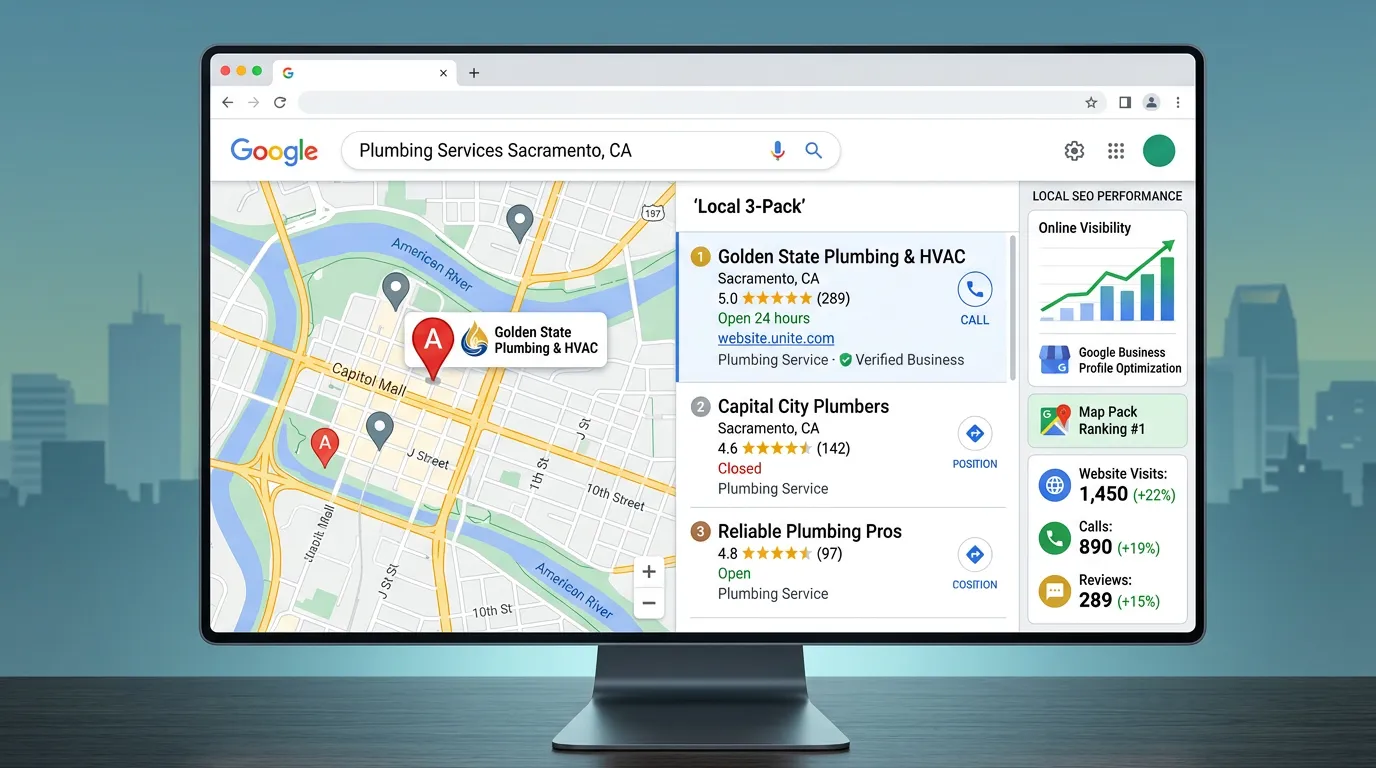
Compare it to the three companies sitting above you in the map pack.
Ten minutes: read the call report
Look at missed calls first, before you look at lead count.
Ten minutes: confirm hours and services are still right
Holiday hours and dropped services cause bad reviews you could have avoided.
Fifteen minutes: one call about what changed
What is booked, what you want more of, and what you cannot take right now.
Five minutes: name one job you wish you had more of
That answer is what the next page, ad, or photo set gets built around.
Anytime: forward the odd question a customer asked
Those questions turn into the pages that end up ranking.
Spending a small budget
With fifteen hundred a month, a mistake costs more than it would in a bigger company. These are the ones we see most.
Do this
- Put the whole budget behind one channel until you know whether it works.
- Give it at least ninety days before you judge it.
- Track calls with a number that shows you the source.
- Raise your prices before you raise your ad spend.
- Spend more in the season you can actually deliver in.
Not this
- Do not sign a twelve month contract for a channel nobody has tested.
- Do not buy a new website while your profile and reviews sit neglected.
- Do not pay for leads that are sold to three other companies at the same time.
- Do not run ads to a home page instead of a page about that job.
- Do not copy a competitor's tactic without knowing what it costs them.
Three more owner questions
Everyone tells me I need a new website. Do I?
Is it worth replying to every review?
What do I do when I am too busy to take more work?
Frequently asked questions
I have fifteen hundred dollars a month. Where should it go first?
Can I just do this myself?
How much of my time will this take?
How do I know it is working without a data background?
When am I ready to add paid ads?